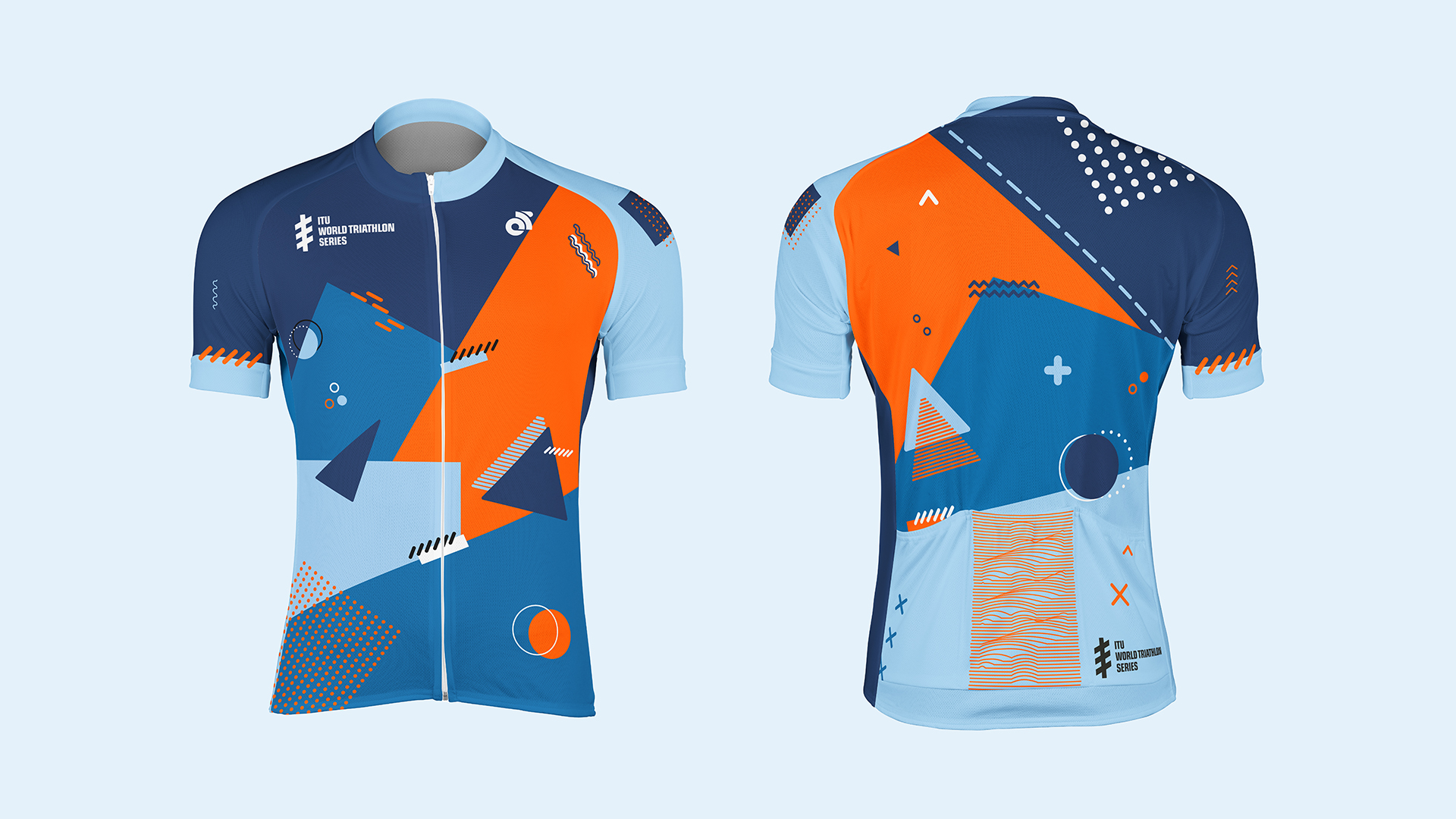
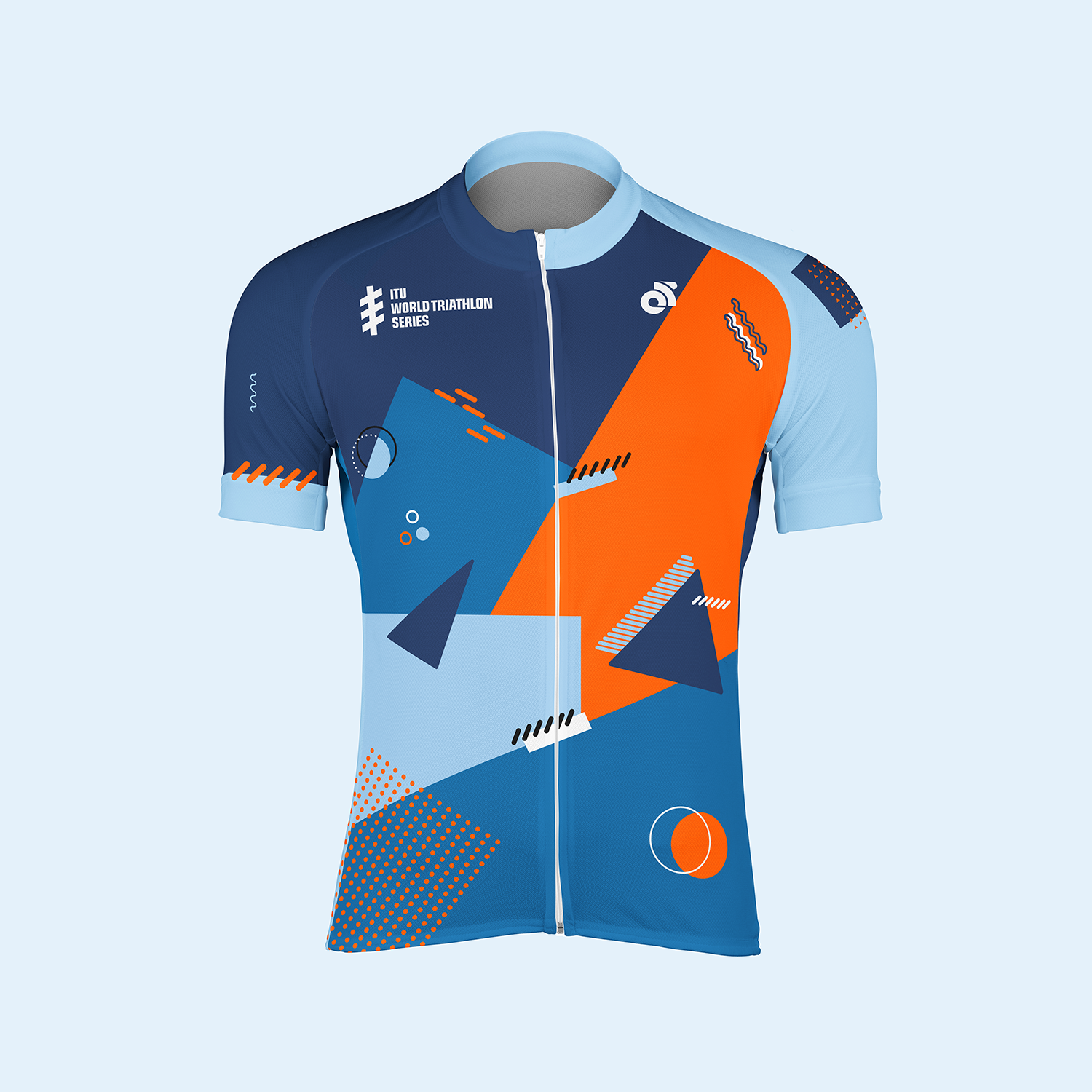
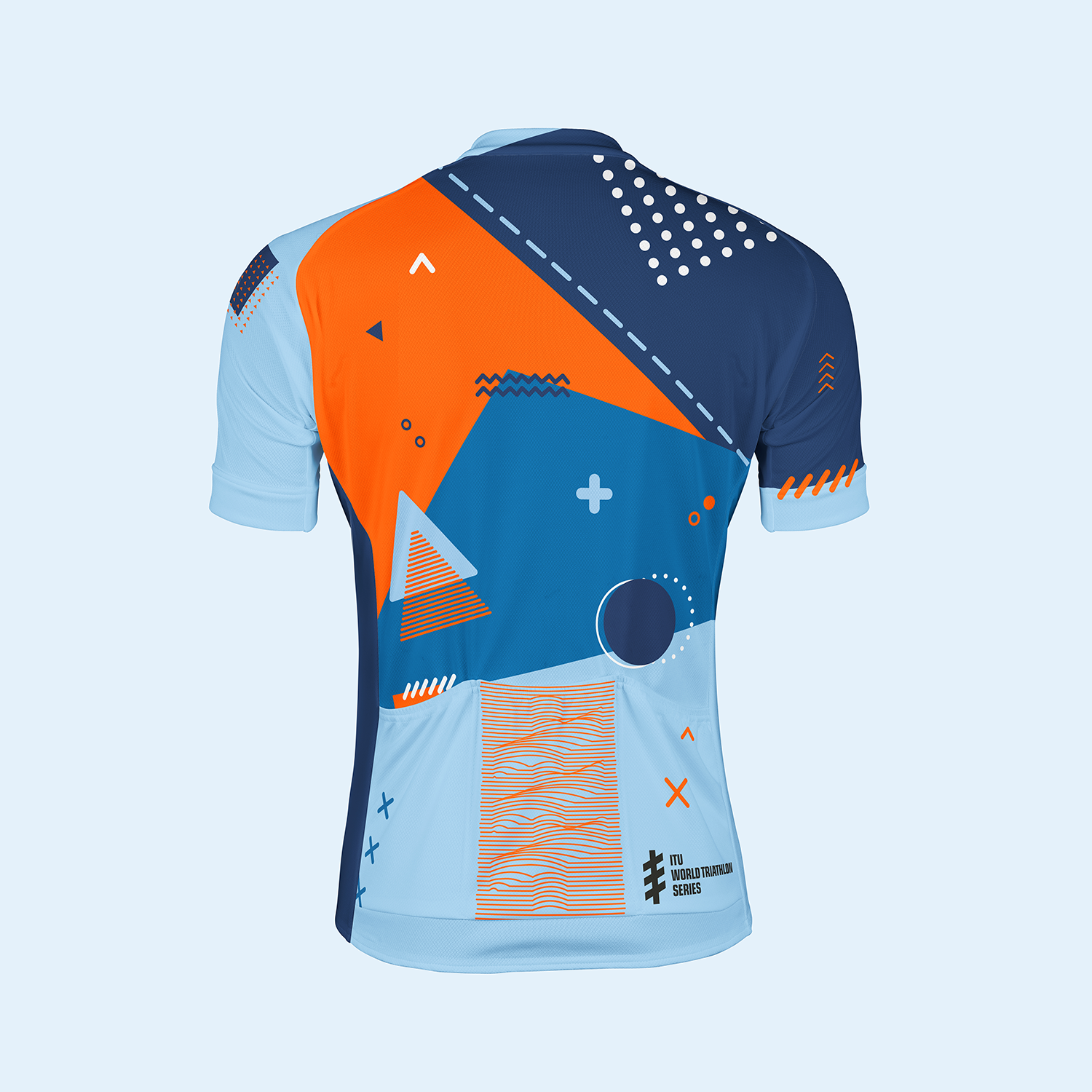
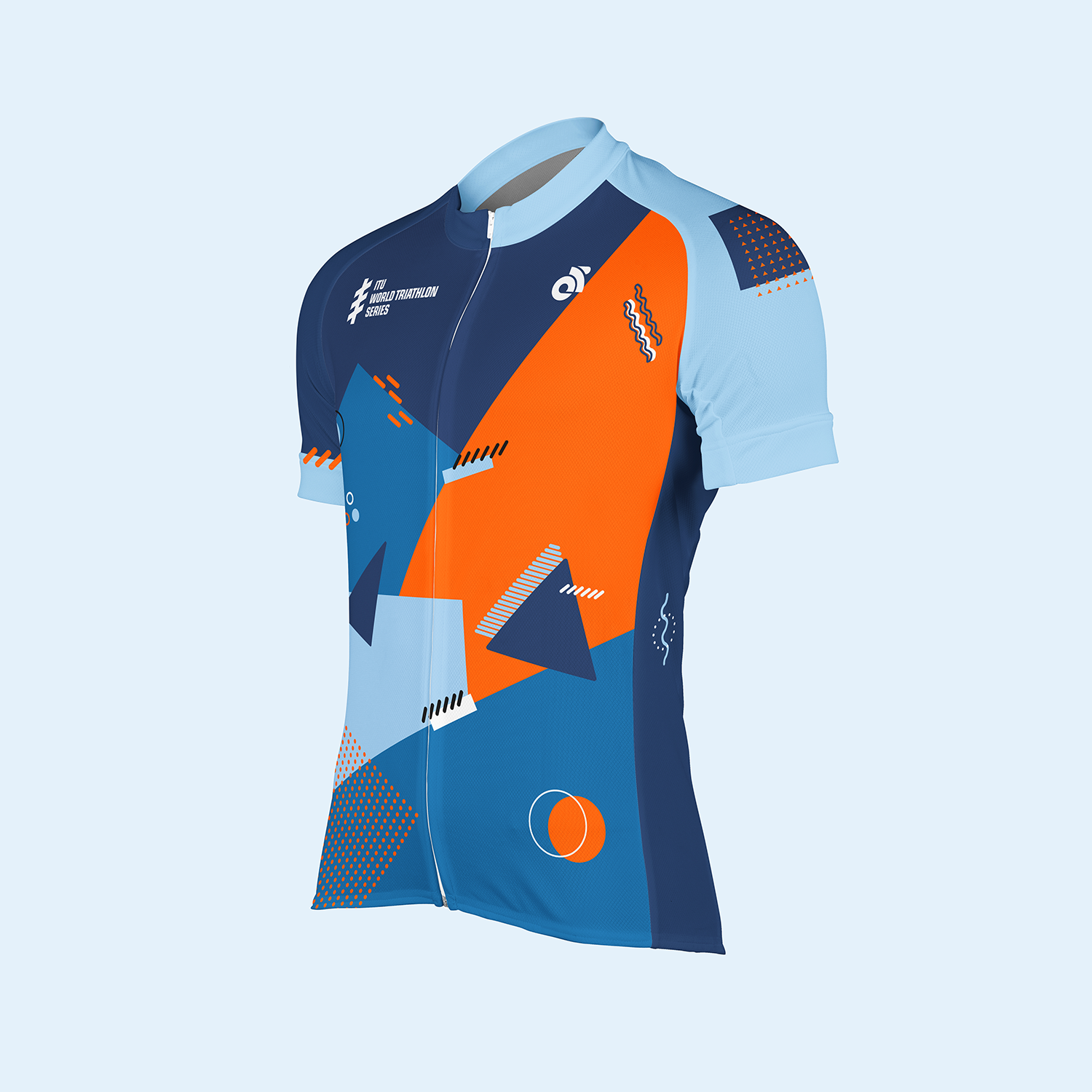
World Triathlon launched a design competition for a World Triathlon Series cycling jersey, inviting participants to create a design that represented the spirit of the series.
I only discovered the competition two days before the deadline, but saw it as an opportunity to combine my passion for design with connection to triathlon and cycling.
The goal was to create a visually strong jersey concept within a very limited timeframe.
Roles
Designer
Timeline
Sept 2020
Type
Design Competition
Tools
Adobe Illustrator, Photoshop
Problem & Context
Designing sports apparel means finding a balance between aesthetics, functionality, and recognizability.
The challenge of this project was creating a design within only 24 hours while still developing a concept that felt energetic and connected to the World Triathlon identity.
Concept
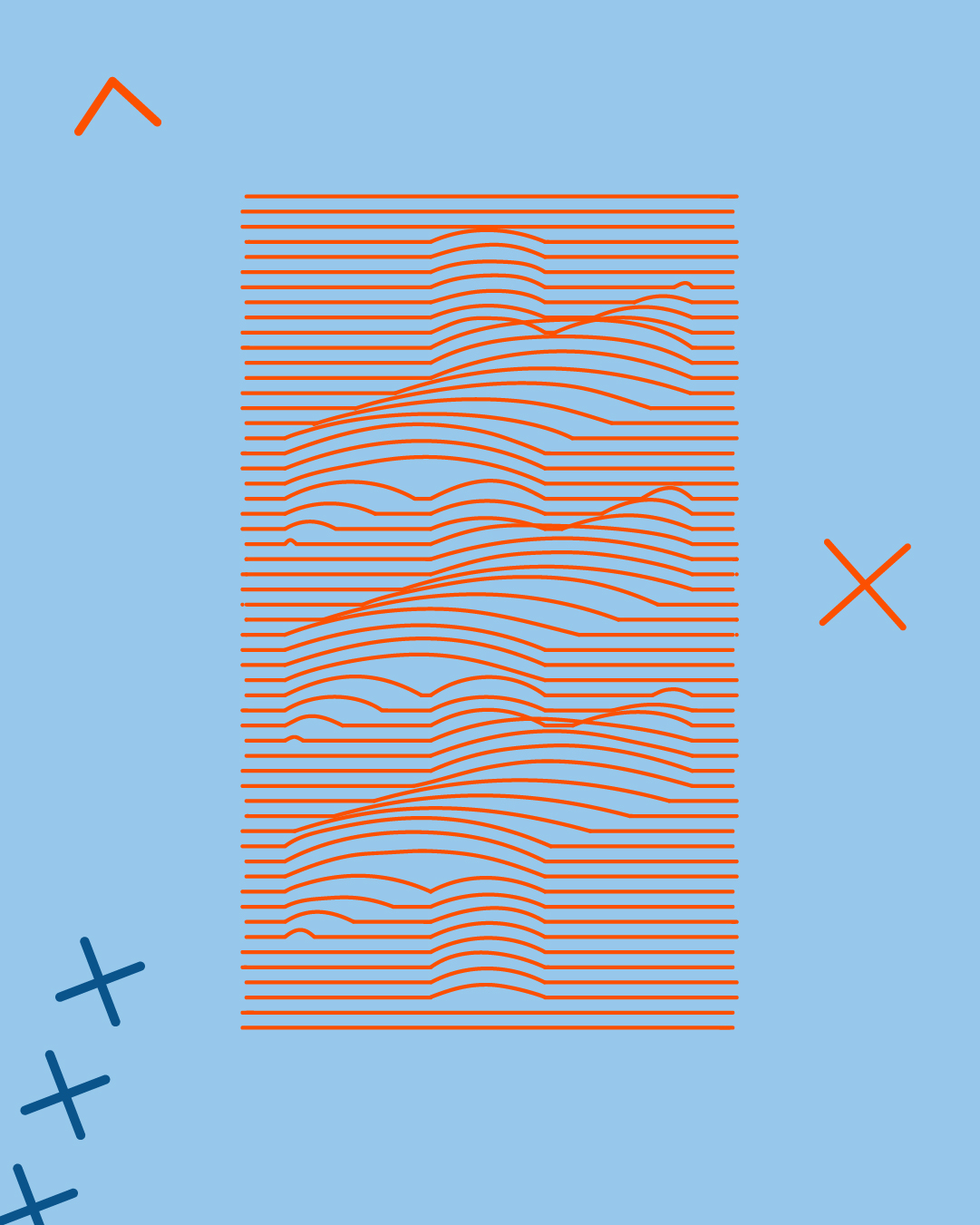
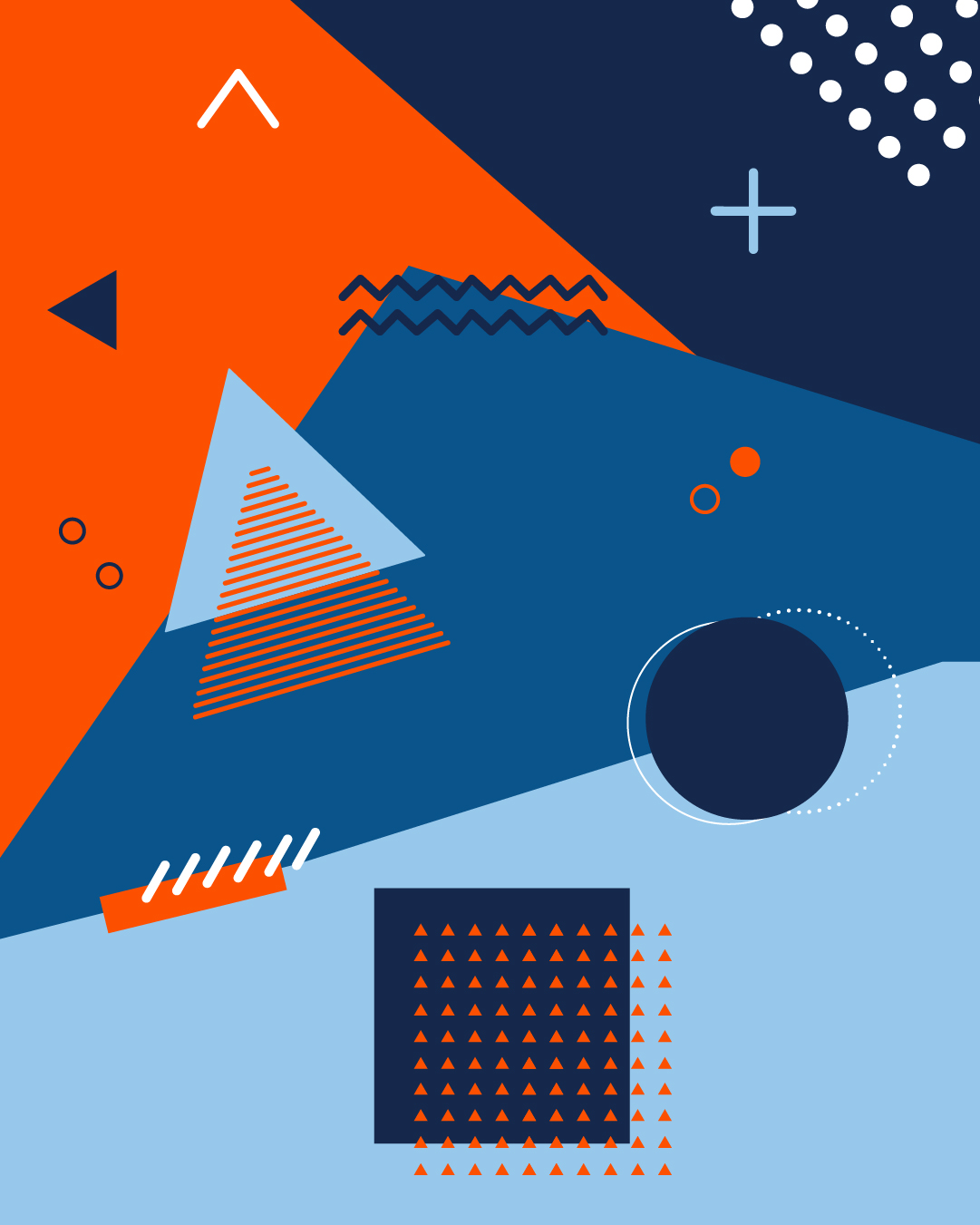
The design direction was inspired by the Memphis design movement and its playful use of geometric forms and patterns.
I wanted to create a more dynamic and energetic look that reflects the movement and atmosphere of triathlon and cycling. The color palette is based on the existing World Triathlon visual identity to maintain a connection to the brand.
Design
The process started with quick sketches and experimenting with different compositions in Photoshop.
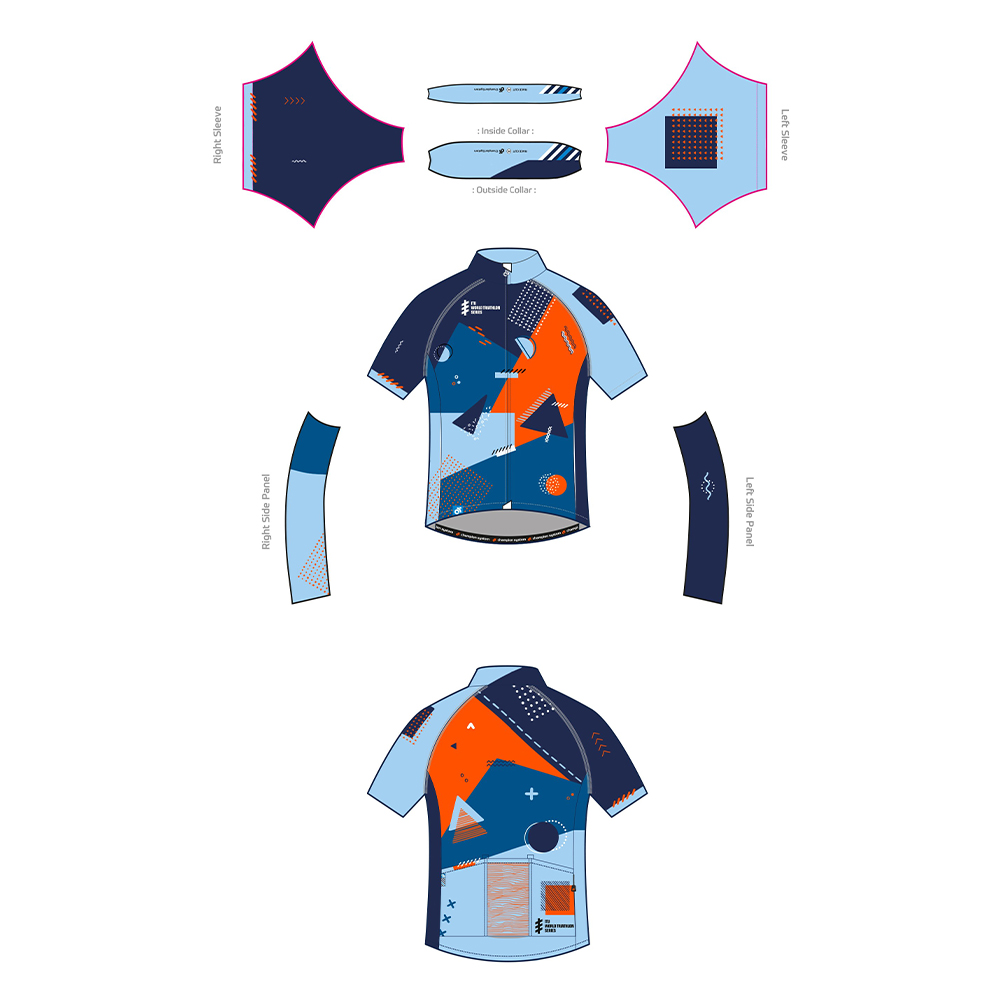
After defining a direction, I developed the complete design in Adobe Illustrator using the official jersey template provided for the competition. Since the timeline was short, it required making decisions quickly while keeping a clear visual focus.
Outcome
The patterns wrap around the jersey and create movement across the garment rather than feeling like individual graphics placed on top.
Although the design was not selected as the winning entry, the project became a valuable creative challenge.
Working within only 24 hours showed me how important clear ideas and fast decision-making can be. The project also led to new interest and conversations around sports apparel design.
Reflection
What worked well was setting a clear visual direction early and trusting the process despite the short timeframe.
If I revisited the project, I would spend more time exploring additional pattern variations and garment details.
One of the biggest learnings for me was that strong ideas do not always require long timelines.